


Exact 3D Video has launched an English-language web service in Japan that turns product documents and CAD files into narrated 3D explainer videos.
Users can describe a video in chat and upload materials including PDFs, Office files, images, drawings and CAD models. Supported formats include STEP, IGES, STL, OBJ, PLY, glTF or GLB, 3MF, DXF and DWG.
The system creates a storyboard with a rough sketch and narration script for each scene, then builds the scenes as 3D models. It exports the finished video as a 1080p MP4 with AI narration and captions.
Pricing starts at about USD $35 for a one-minute video in standard mode with two small revisions. A higher-quality option costs about USD $70 to USD $120 per minute, while prepaid credits start at USD $5 and do not expire.
The service is aimed at manufacturers and product teams that want to create product videos, training materials and maintenance explainers without specialist 3D or video-editing staff. Videos can range from 15 seconds to 10 minutes.
3D approach
Exact 3D Video says its service differs from text-to-video systems that generate footage frame by frame. Instead, it constructs scenes as 3D models before rendering them into video.
The company says this approach reduces distortion in product shapes, labels and numerical information across scenes. It also says CAD geometry can be used directly, helping preserve accuracy from one shot to the next.
Before each run, users are shown a cost estimate and spending cap. They can also review the storyboard, still images and a preview before asking the system to make changes through chat.
According to the company, the AI is intended to use only the numbers and factual material contained in the files provided by the user. It also says attached files are not used for AI training and that files and generated results are deleted automatically after 30 days.
Cost comparison
Exact 3D Video positions the service as a lower-cost alternative to commissioning traditional 3D explainer videos from studios or freelance producers. It cites published price guides that put the starting cost for outsourced 3D explainer work at about USD $1,000 per minute, with delivery timelines of four to 12 weeks.
Those figures are not directly comparable because quality limits and the scope of included work can differ, the company notes. Even so, the comparison points to a market in which businesses are looking for cheaper and faster ways to produce visual product explanations.
The service has also been presented as suitable for trade show loops, sales presentations and internal training. Once fees are paid, the exported MP4 can be used commercially within the platform's terms.
Sample library
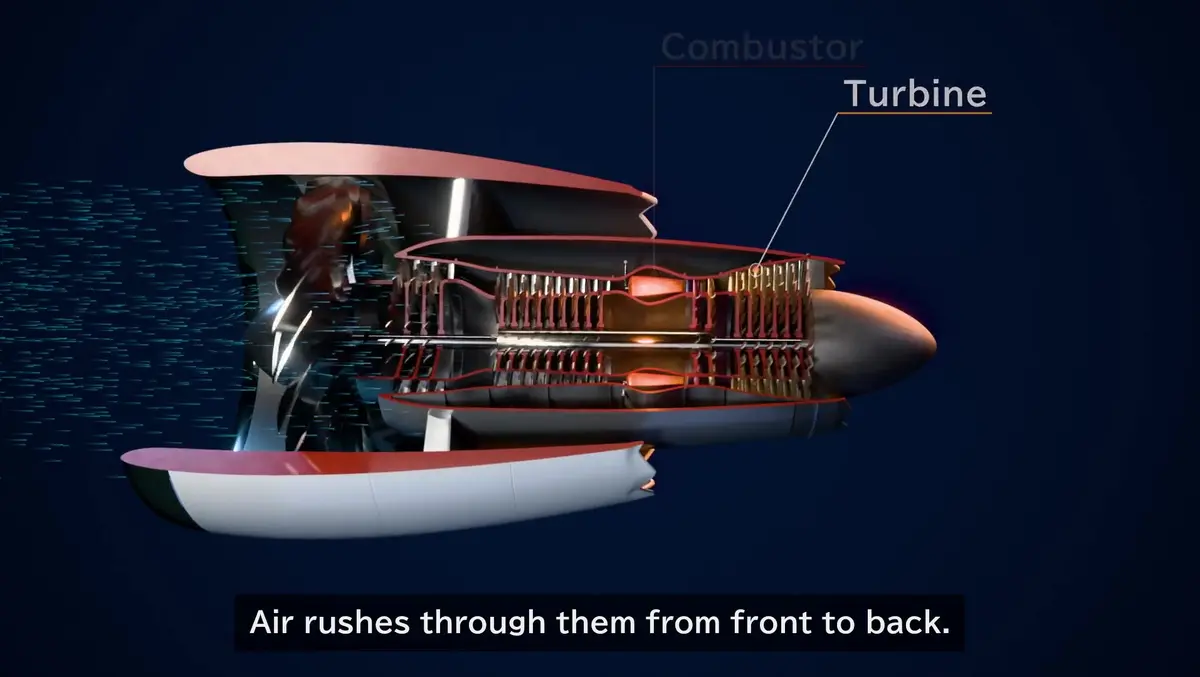
To demonstrate the product, the company has published 53 sample videos covering product introductions, engineering, chemistry, physics and business topics. Examples include explainers on turbofan engines, gear reduction and a fictional air purifier product.
The emphasis on engineering and industrial subjects reflects a broader effort among AI video developers to move beyond general-purpose image generation and into technical communication. In these use cases, accuracy in labels, dimensions and object geometry tends to matter more than cinematic style.
By centring the workflow on source documents and CAD files, Exact 3D Video is aiming to appeal to teams that already have structured technical information but lack the time or budget to turn it into polished visual material. The combination of chat-based prompts, storyboard review and direct use of design files suggests it is targeting a middle ground between manual animation work and fully synthetic video generation.
A Japanese-language version of the service is already available separately, and the English launch marks a move into a wider market. Users can sign in with a Google or Microsoft account.