

The Ocean Cleanup shifts its focus to Southeast Asia
Mon, 12th Oct 2026 (Today)
The Ocean Cleanup has shifted two-thirds of its global intervention effort to Southeast Asia for the next three years, citing research that the region is the source of about 79 per cent of overseas ocean plastic reaching Australia.
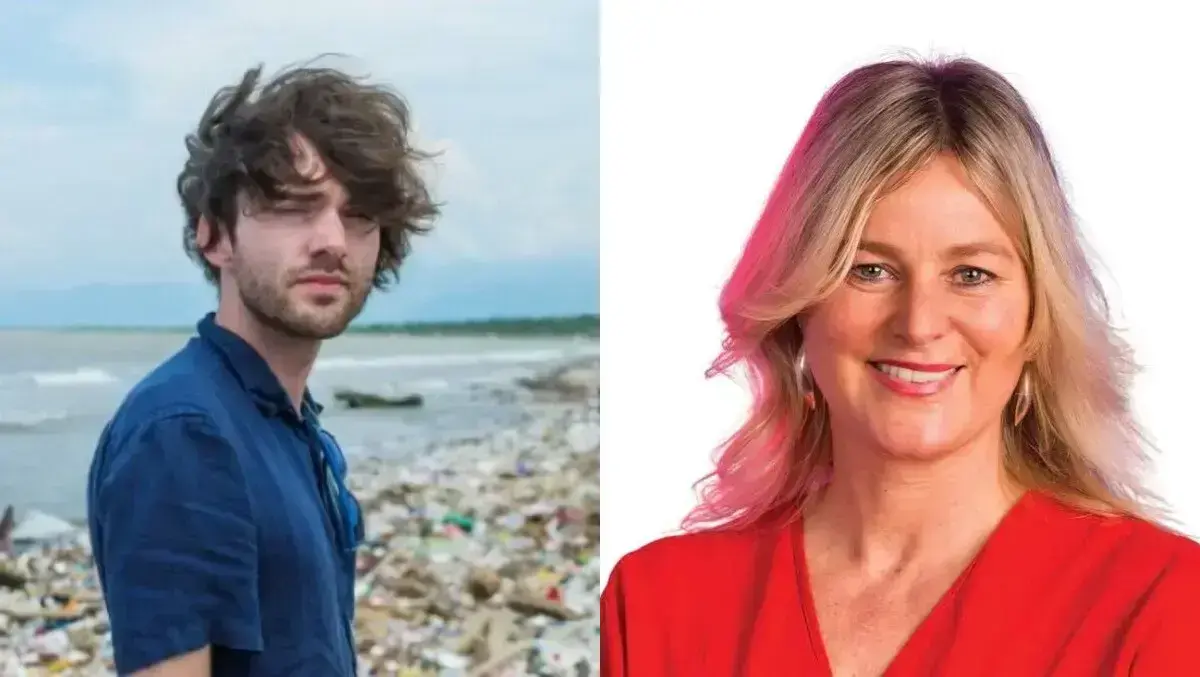
The move follows meetings in Sydney between Founder and Chief Executive Officer Boyan Slat and Australian investors, researchers and industry representatives, as the organisation seeks support for work to reduce marine plastic flows into Australian waters and beaches.
Its research links much of the plastic arriving in Australia from abroad to river systems in Southeast Asia. The organisation also pointed to broader peer-reviewed findings that about 1,000 rivers carry nearly 80 per cent of the world's river-borne plastic into the ocean, with many of the most polluting waterways in that region.
Data from The Ocean Cleanup shows Indonesia accounts for about 70.5 per cent of overseas ocean plastic reaching Australia's exclusive economic zone. Fiji contributes about 8 per cent, followed by Vanuatu at 4 per cent, Papua New Guinea at 3 per cent, and the Philippines and Vietnam at 2.5 per cent each.
Other sources include East Timor and South Africa at 2 per cent each, China at 1.5 per cent, and Malaysia and the Solomon Islands at 1 per cent each. Smaller contributors, including Sri Lanka, Thailand, Samoa, the Maldives and New Zealand, make up about 3 per cent combined.
Regional push
The Ocean Cleanup is also expanding its regional engagement through a proposed partnership with the United Nations Economic and Social Commission for Asia and the Pacific. The two sides have signed a letter of intent to advance a regional partnership on ocean plastic, with Australia described as playing a leading role.
The organisation argues that Australian backing, through funding, research or industrial expertise, could support interception projects closer to the source of marine plastic leakage. That would position Australia not only as a country affected by marine waste, but also as a potential financier and partner in upstream mitigation efforts across neighbouring markets.
Slat visited Sydney to discuss that approach with funders and industry figures. During the trip, he also addressed a circular economy forum attended by representatives from government, academia, finance and business, including Sydney Water, Woolworths, Fortescue, BlueScope, Engineers Australia and UNESCAP.
The visit also highlighted The Ocean Cleanup's 30 Cities Program, under which Interceptor systems are due to be placed in 30 of the world's most polluting urban river systems by 2030. The programme includes three Indonesian metropolitan areas - Jakarta, Tasikmalaya and Denpasar - as well as locations in Malaysia.
Australian role
The debate comes as Australia works on a national Sustainable Ocean Plan and prepares to co-lead drafting of a global ocean health roadmap with Türkiye. The Ocean Cleanup is seeking to connect those policy ambitions to practical regional investment in river interception and waste prevention.
The organisation also pointed to Australia's marine ecosystems, noting that the country hosts 12 per cent of the world's blue carbon ecosystems and contributes between 5 per cent and 11 per cent of global blue carbon stock. That gives it a prominent role in wider ocean policy discussions.
For business and investors, the strategy raises questions about how ocean protection projects are funded and measured. Interventions in river systems often rely on a mix of public finance, philanthropy, local government support and commercial partnerships, particularly in cities where waste infrastructure is under strain.
The Ocean Cleanup says it has collected more than 62 million kilograms of trash from aquatic ecosystems worldwide and now operates in 13 countries. Founded in 2013 and headquartered in Rotterdam, it employs about 200 people.
Speaking during the Sydney visit, Slat argued that Australia's influence on marine policy would depend on whether it backs projects beyond its own shoreline.
"Australia has the research strength, the industry expertise, and the funding relationships to make a big difference when it comes to protecting our oceans and safeguarding them for future generations. Not only that, but its island nation status and deep cultural connection to the oceans makes it a natural leader on the topic of ocean health and marine sustainability. But credibility in a negotiating room comes from what a country has backed, not what it consumes. Action and cash - along with science and expertise - are what will help Australia to arrive at COP31 with its head held high on the critical topic of global ocean health. So I look forward to connecting with local investors, researchers, policymakers, and broader industry to understand where Australian partners can plug into the interception work we already have underway in the region, and globally," said Boyan Slat, Founder and Chief Executive Officer, The Ocean Cleanup.
Circular Australia backed the broader case for regional action on plastic leakage.
"A circular economy is how we stop plastic waste from polluting the environment - it ensures materials stay safely in the economy and, at the end of life, are not reaching our oceans and rivers causing devastating ecological harm. In a circular economy waste is designed out in the beginning using design standards and laws like product stewardship which make manufacturers and distributors responsible for their products at end of life. A circular economy ensures materials like plastic stay in the economy at their highest value for as long as possible and do not pollute at end of life, allowing natural systems and oceans to regenerate. Tackling plastic waste is not one country's problem: it is a regional and global issue we all must play a role in solving. Leadership on ocean health is measured by what gets funded and built: Australia's circular economy targets, its scientific leadership and Asia Pacific partnerships give it the means to act now," said Lisa McLean, Managing Director and Chief Executive Officer, Circular Australia.