Circular economy stories
Old computers and discarded phones are exposing organisations to data theft, with up to a fifth of cyber incursions occurring at disposal time.
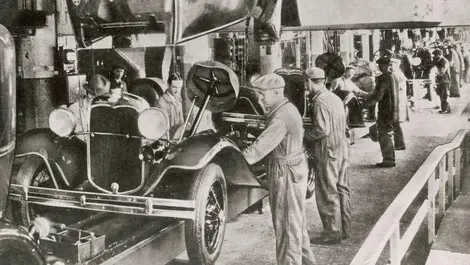
Only 30% of manufacturers have scaled Industry 4.0 beyond pilots, leaving billions in value on the table as AI and automation spread.
The new coating will help Philips outdoor luminaires last longer in harsh weather, cutting replacements and reducing manufacturing resources.
A skilled labour crunch, weak investment and slow policy change are set to keep Aotearoa New Zealand’s construction sector under strain in 2025.
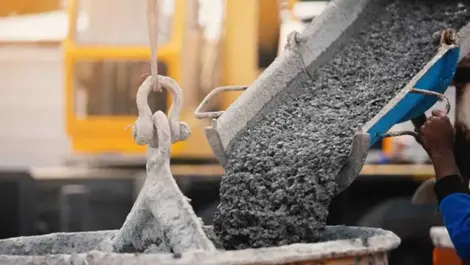
Replacing conventional materials in new infrastructure could lock away 16.6 billion tonnes of CO2 a year, researchers say.
A trio of New Zealand startups will be honoured in Paris as the mission seeks overseas backers for a sector forecast to top NZ$1 trillion by 2030.
The event is expected to draw overseas buyers and create more business opportunities across the battery supply chain.
Shifting to circular models could help New Zealand and Australia close emissions gaps, cut waste and create jobs in infrastructure and construction.
New research says tighter oversight of five sectors could make New Zealand’s emissions scheme cut pollution faster without slowing growth.
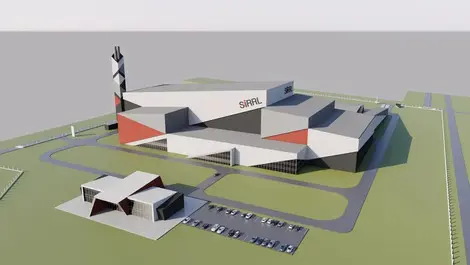
Support is growing for a proposed GBP £570 million Kaipara incinerator that could burn Auckland and Northland rubbish and power 165,000 homes by 2028.
The directive could lift demand for local fleece, but it may also let cheaper overseas wool undercut New Zealand farmers.
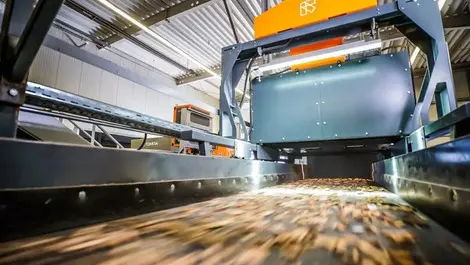
Deep learning could recover hard-to-detect materials, lift recyclate quality and cut landfill use as Europe tightens recycled-content rules.
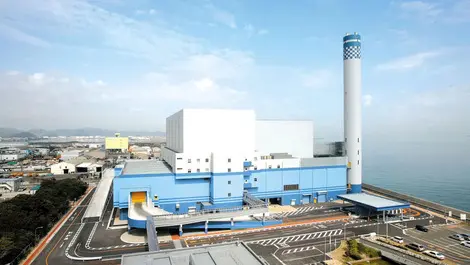
Japan’s strict landfill rules and dense cities have made gasification viable, while similar waste-to-energy schemes remain rare elsewhere.
In civil construction, the concept hinges on system boundaries, with finite resources, waste and carbon shaping whether projects can endure.
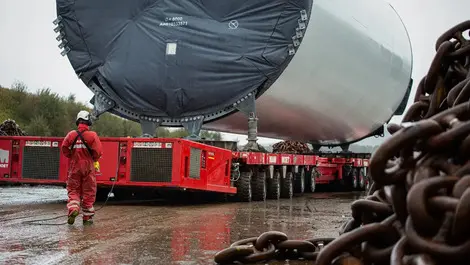
Retrofitting heavy hauliers to run on electricity could cut noise and emissions on bridge, wind and power projects worldwide.
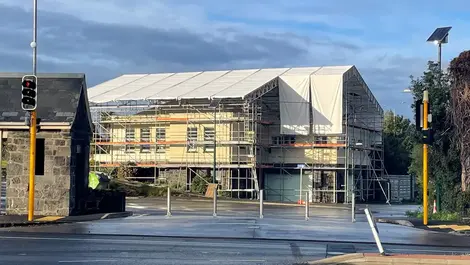
The council will reuse a fabric rail system on the Waiōrea Community Recycling Centre roof, avoiding single-use plastic during remedial works.
Civil contractors warn the next emissions plan could slow vital infrastructure delivery unless it backs proven low-carbon options and recycling.
The new paths should help Wellington residents travel more easily while diverting waste concrete and asphalt from landfill.
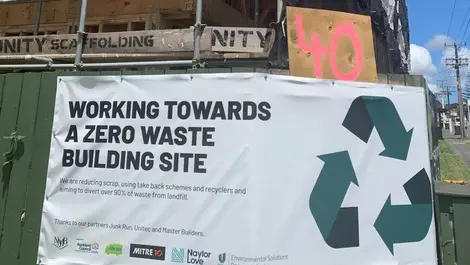
An Auckland build has diverted 91% of debris from landfill, showing builders can cut waste sharply with sorting and recycling.
Wellington’s climate strategy has put it among 280 cities worldwide shortlisted by WWF, with results due later in July.