Roads stories
Infrastructure spending in Cambodia is set to boost demand for Volvo's heavy machinery, parts and service after the Que Mekong deal.
Rupin Banker of Strategic Global Alliance explains what global investors need before backing roads, power and ports in emerging markets.
Australia risks leaving $242 billion of infrastructure work short of labour, with shortages already threatening delivery and driving up costs.
The move targets a USD $260 billion market as owners seek one partner to cut delays, overruns and accountability gaps on major projects.
Greater scrutiny will follow major infrastructure programmes as Accenture combines 5,000 specialists into a new capital projects unit.
Ratepayers could face poorer roads and water systems if councils are forced to hold increases down, a leading economist says.
Growth across the district swelled Selwyn's operating surplus and drove debt down to $195.9m, but officials say the figure is not cash.
Waimakariri ratepayers could face nearly $500,000 in annual audit costs, as the mayor says the money is being diverted from core services.
Australia's next transport wave is expected to be driven by Olympic-linked works, with AUD $7.1 billion committed to Brisbane 2032.
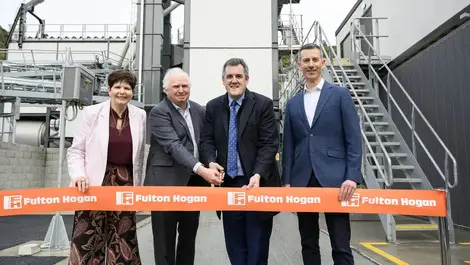
Capacity constraints in Wellington should ease as a 200-tonne-an-hour plant boosts asphalt supply for roads, ports and airports.
Residents question why Whakatāne Council resurfaced one street with asphalt after saying the treatment was too costly for most roads.
Ratepayers face an extra NZD $1.286 million bill over three years unless Tararua's road funding cut is reversed.
Forestry and dairy operators could face steep bills under a Carterton council plan to shift more roading repair costs onto heavy users.
Funding for sports facilities and community grants could be cut as Marlborough council tries to stay within a 4% rates cap.
Funding shortfalls could force West Coast councils to revert roads to gravel, leaders warn, as tourism and freight access come under pressure.
Ratepayers may see little immediate savings as councils enter the harder stage of redesigning merged authorities and ward representation.
South Island councils say the region gets too little of New Zealand's transport budget, despite generating a quarter of the population and a third of exports.
With more than 600 delegates expected, the event will put transport, procurement and pipeline concerns in front of election-year politicians.
The Crown will free up NZD $702 million for roads, hospitals and classrooms by cashing in Chorus loans earlier than planned.
More housing and transport projects can now tap private finance as Parliament broadens levy-backed funding to ease council borrowing pressure.